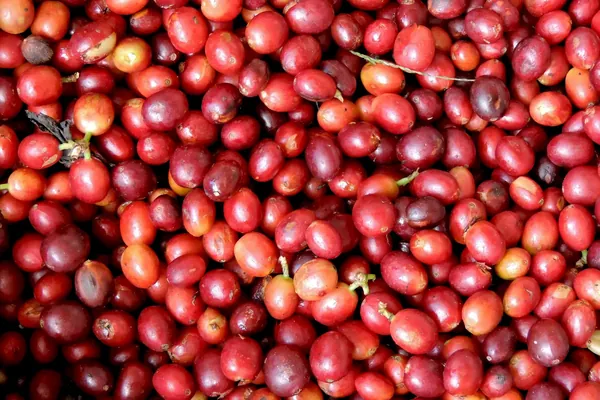
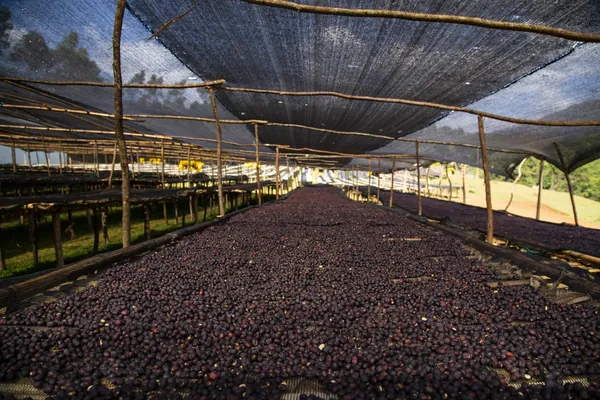
It is washed using an anaerobic fermentation process. Suitable for all brewing methods. A profile of fruity notes including dried red fruits, hints of grape, and the freshness of green apple.
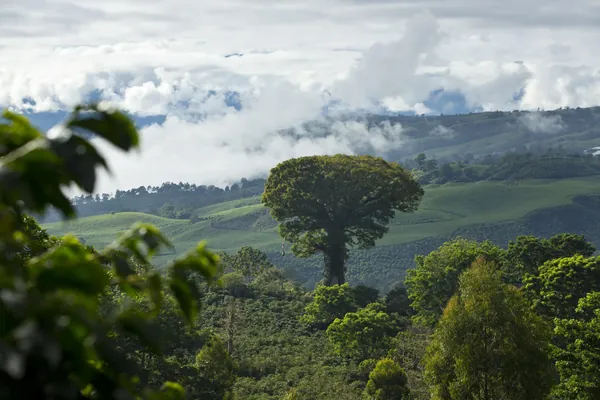
Coffee from Costa Rica. Located near the Turrialba Volcano in Costa Rica, Aquiares is a historic coffee farm recognized for its commitment to quality and sustainability. Established in 1890 by British farmers, it is now managed by three families dedicated to modern, sustainable agriculture. With an area of 924 hectares, 80% of which is shaded Arabica, Aquiares is the largest continuous coffee farm in Costa Rica.
The name of the farm, which means “land between rivers” in the indigenous Huetar language, reflects its picturesque location between the Aquiares and Turrialba rivers. Rich in history, the region was once a center of Huetar civilization, with artifacts occasionally found among the coffee trees.
Under the management of Don Alfonso since 1992, Aquiares prioritizes social well-being. Initiatives include empowering workers to own their homes and fostering community development. Today, only 15% of residents work on the farm, with many pursuing diverse careers.
Aquiares manages the entire coffee production chain, ensuring the highest quality and traceability. Under the leadership of Diego Robelo, innovations include experimenting with new varieties to adapt to climate change and pests.
From seed to cup, Aquiares coffee embodies excellence, sustainability, and community empowerment.
Washed coffee with body and bright citrus sensory notes, complemented by a characteristic sweetness. Fruity notes reminiscent of lemon peel, blueberries, and molasses, offering versatility for both filter and espresso methods.
The journey of coffee in Guatemala began in the 18th century when Jesuits introduced it to the monasteries of Antigua. Over the next 150 years, coffee farms expanded, mainly under European settlers. Guatemala gained independence in 1821, which led to increased coffee production and established the country as a major coffee producer.
However, challenges arose with the Agrarian Reform Law of 1952, which redistributed land from large estates to local and indigenous communities, disrupting coffee production. A 36-year civil war further hindered the industry’s growth.
Despite these obstacles, coffee regained prominence, involving about a quarter of Guatemala’s population in cultivation or processing. In the picturesque Amatitlán region, home to the Los Humitos community, lies Finca Los Humitos. Originally owned by Dr. Rodolfo Castillo, the farm now thrives under Seo Hee Holding, S.A.
The mineral-rich volcanic soils of Los Humitos provide an ideal environment for coffee cultivation, with varieties such as Bourbon, Catimor, Caturra, and Catuai flourishing. The commitment to quality and sustainability at Finca Los Humitos ensures that each coffee reflects Guatemala’s unique terroir and rich heritage.
Brazilian micro-lot coffee, Yellow Bourbon, naturally processed. Expressive with bright notes balanced by acidity. Sensory notes of kiwi, chocolate, and a liqueur-like touch. This coffee is recommended for espresso, while filter methods enhance its sweetness and fruity character.
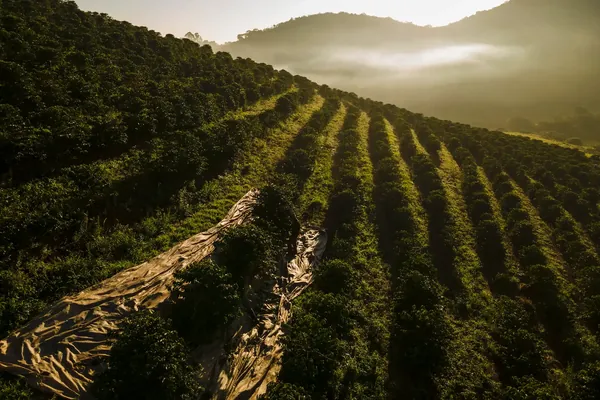
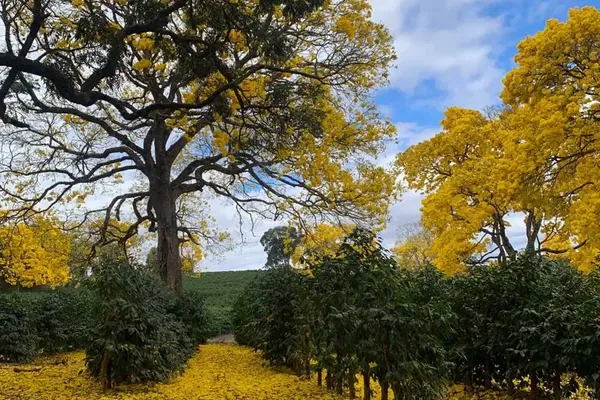
Located in the Sul de Minas region of Brazil, Fazenda do Salto stands as a symbol of tradition and excellence in coffee cultivation. Managed by the fifth generation of the esteemed Reis family and under the leadership of Otávio Reis, this extensive farm spans 800 hectares and boasts a rich history of over a century. With its idyllic views of rolling coffee fields, Fazenda do Salto represents Brazilian coffee farming at its finest.
Situated at an altitude of 1,150 meters above sea level, Fazenda do Salto cultivates a wide range of coffee varieties, including Catucaí Amarelo, Catuai, Bourbon, Robi, Icatu, Mundo Novo, Arara, and Topazio. Otávio Reis employs meticulous production techniques tailored to the unique characteristics of each plot, terroir, and coffee variety being grown.
Naturally processed exotic decaffeinated coffee. This coffee is treated using a CO₂ process, removing caffeine while preserving the essential oils and the delicious flavor of the natural process. Bright notes of sweet dried dates with a light touch of caramel.
Frutas Prohibidas, our signature decaffeinated coffee, embodies a harmonious fusion of flavors from two exceptional lots: Fazenda Pedra Preta and Fazenda do Salto. At Fazenda Pedra Preta, located in the heart of Tropicália’s sustainable agroforestry system, coffee beans thrive within a rich ecosystem, resulting in unmatched quality and flavor.
Meanwhile, Fazenda do Salto, steeped in tradition and managed by the illustrious fifth generation of the Reis family, spans 800 hectares in the picturesque Sul de Minas region. Here, a wide variety of coffee is cultivated under the expert guidance of Otávio Reis, ensuring each bean carries the essence of the land and its heritage. From the vibrant terroir of Fazenda Pedra Preta to the centuries-old techniques used at Fazenda do Salto, Frutas Prohibidas represents the culmination of an ancestral experience and a commitment to excellence in every cup.
Washed coffee with an interesting fusion of fruity and floral notes, complemented by a characteristic citrus touch of the Colombian profile. Suitable for any brewing method. Notes of honey, raisins, and lemon stand out.
Colombia has diverse coffee-producing regions, each with unique microclimates and altitudes, cultivated by dedicated farmers. Coffee in Colombia dates back to the 19th century, when Jesuit priests planted the first seeds. Today, Colombia is one of the world’s leading coffee producers, with crops spanning more than 20 of its 35 departments, driven mainly by small producers who craft exceptional coffee.
Among these regions is Nariño, located in the southwest and bordering Ecuador. Blessed with volcanic soils, Nariño is named after Antonio Nariño, a key figure in Colombia’s fight for independence alongside Simón Bolívar. Despite conflicts with guerrilla and paramilitary groups, Nariño remains resilient, shaped by a rich history.
Our journey takes us to the picturesque town of Buesaco in the Juanambú Canyon, a lush Andean valley within Nariño. Once marked by independence battles, Buesaco now thrives as an agricultural hub thanks to coffee. Coffee cultivation here has contributed to the development and empowerment of local producers.
Extraordinary washed coffee that preserves the full complexity of flavors and quality, perfect for enjoying every day at any moment. Floral and fruity notes stand out: chocolate, black tea, and orange.
This Colombian coffee represents more than a generational family business, deeply rooted in the Colombian coffee industry. The Ángel family legacy dates back to the early 20th century, when Don Alejandro Ángel, a visionary coffee exporter, pioneered Colombian coffee trade on the global stage. Despite the challenges of his time, Don Alejandro’s firm belief in the unique qualities of Colombian Arabica coffee led to unprecedented success, establishing him as an innovator in the industry.
Inspired by this remarkable legacy, Pedro Echavarría, great-grandson of Don Alejandro, ventured into coffee cultivation more than three decades ago. Recognizing the importance of selecting the perfect region, Pedro chose Santa Bárbara, located in the picturesque Andes mountains of Antioquia. Here, microclimates, volcanic soils, and ideal altitude provide the perfect environment to grow exceptional coffee. Starting from humble beginnings, Pedro steadily expanded operations, acquiring several farms in the regions of Santa Bárbara, Fredonia, and Amagá.
Today, Finca Santa Bárbara consists of five sister farms, with Loma Verde being the largest. With more than 75 hectares, Loma Verde plays a key role in producing renowned specialty coffee for the global market. Pedro’s son, also named Pedro, has joined the family business, elevating coffee quality through innovative processing techniques and meticulous oversight at every stage of production. Together with coffee director Leonardo Henao Triana, they combine art, science, and industrial precision to create exceptional coffees in the ongoing pursuit of the best coffee in Colombia.
Washed coffee made from a selection of high-quality beans. This coffee highlights the characteristic notes of the African profile, bringing out distinctive local flavors. Notes of sweet carrot cake, cherry, and rooibos.
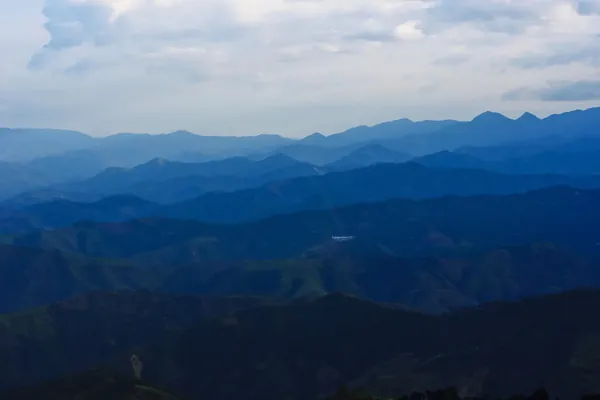
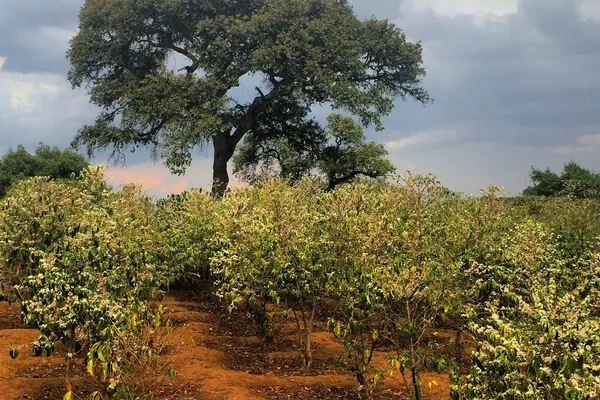
By exploring the rich heritage of Tanzanian coffee from the Songwe region, you will discover a tapestry of culture and tradition woven into every cup. Located in the lush southern highlands of Tanzania, where the borders of Zambia and Malawi meet, the Songwe region stands out as a hub of agricultural excellence.
Within this vibrant landscape lies the Mbozi district, a network of 175 bustling villages full of life and culture, home to a dynamic population of over 515,000 people. Among these villages is the legendary Iyenga, a testament to resilience and ingenuity. Founded in 1974 by visionary villagers from Itumpi seeking better access to vital resources, Iyenga has flourished over the decades.
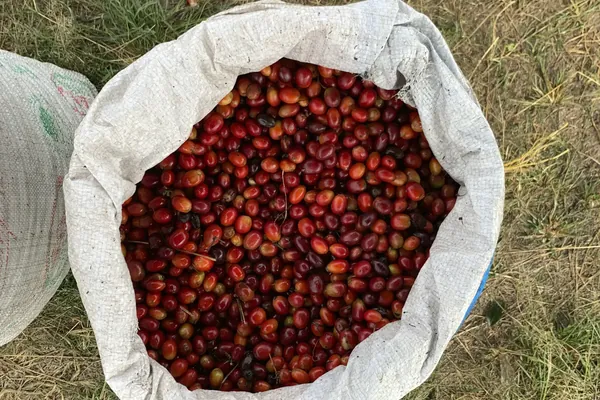
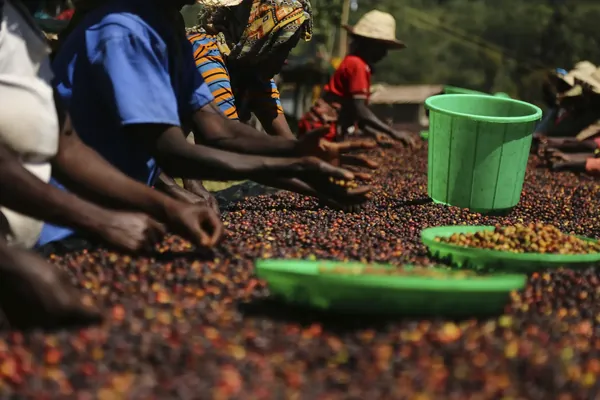
Driven by the development of essential community infrastructure, including hospitals and schools, Iyenga has become a thriving center of activity and cooperation. At its heart is the Iyenga Agricultural Marketing Cooperative Society (AMCOS). Established in 2003 under Tanzania’s Cooperative Act, AMCOS embodies a spirit of unity and collaboration, with a membership of 292 producers. More than just an organization, it represents a cherished tradition passed down through generations. Here, among rolling hills and fertile soils, coffee cherries ripen under the African sun, nurtured by the hands of dedicated farmers. With each harvest, the community comes together to celebrate the fruits of their labor, honoring ancestral customs and practices.
By tasting the aromas of Tanzanian coffee from the Songwe region, you are not just enjoying a beverage, but embarking on a journey through time and culture. From the lively villages of the Mbozi district to the cooperative spirit of Iyenga, every sip tells a story of resilience, unity, and the enduring legacy of Tanzanian coffee.
Washed coffee from Ethiopia, with subtle citrus notes that, combined with the sweetness of brown sugar, create a perfectly bright cup. This distinctive coffee has a balanced body and strong fruity notes linked to its sweetness. Characteristic notes of sweet mandarin, apricot, and citrus peel.
The producers of Hamasho, who live in the majestic mountains of Bombe, are partner farmers who maintain a close relationship with our Ethiopian collaborator, Daye Bensa. These producers carefully deliver their cultivated coffee cherries to Daye Bensa’s Hamasho stations, ensuring a direct connection from farm to processing.
Daye Bensa maintains a strong commitment to quality by sourcing cherries directly from farmers who strictly follow best harvesting practices. With precision, the company separates defective and unripe/overripe cherries, implementing consistent processing procedures and using reliable storage and defect detection techniques during hulling and processing.
In collaboration with several farming communities, Daye Bensa receives cherries from numerous washing stations in the Bensa and Sidama regions, some of which are company-owned. Among these stations are Bombe, Shantawene, and Keramo, with which European partners have built strong relationships in recent years.
Daye Bensa’s dedication to quality is reflected in its outstanding achievements in the Cup of Excellence, securing seventh place in 2020, eighth place in 2021, and an impressive second place in 2022.
Naturally dried process. This particular coffee is an incredible example of sweetness and caramel notes in the cup. Its characteristics make it a perfect representation of African coffee, full of fruity notes like ripe fruit and floral nuances. Notable notes of blueberries, bergamot, and caramel.
Located in the midst of the stunning mountains of Bombe, the producers cultivate their coffee in some of the most breathtaking landscapes in Ethiopia. These dedicated farmers maintain a close relationship with intermediary producers Daye Bensa. Comprising approximately 1,022 farmers spread across different parts of the mountain range, the group delivers their carefully cultivated coffee cherries to the Abore Washing Station of Daye Bensa, located in the Sidama Bensa region.
The coffee cherries harvested in Bombe represent a wide variety of cultivars, with the main ones being JARC 74112 and locally grown varieties. These cherries thrive at altitudes ranging from 1,920 to 2,020 meters above sea level, benefiting from the region’s unique climate conditions and terroir.
The relationship between Bombe’s producers and Daye Bensa is based on mutual respect, trust, and a shared commitment to quality. Together, they work tirelessly to ensure that only the best cherries are selected and processed, resulting in specialty coffees that showcase the exceptional flavors and characteristics of this renowned coffee-growing region.
The origin of coffee is much more than a geographical location: it defines the character, acidity, aroma, and flavor notes that make it a unique experience. At Wake Up Coffee, we select specialty coffees from carefully chosen farms and micro-lots based on their altitude, harvesting process, and sensory profile. Each origin tells a story and allows us to offer a cup of coffee with identity and traceability.
Our specialty coffees are artisan roasted in Madrid to preserve the essence of their origin. This allows us to highlight the best of each producing country, maintaining unmatched freshness and adapting the roast to each bean.
We work with a carefully curated selection of iconic specialty coffee origins:
Colombia: medium body, fruity notes, and bright acidity.
Ethiopia: floral, citrusy, and complex.
Guatemala: chocolatey, smooth, and well-balanced.
Brazil: sweet, low acidity, with nutty notes.
Costa Rica: balanced, with a clean and aromatic profile.
Tanzania: bright, with medium body and exotic nuances.
These regions are not only globally recognized for their coffee production, but also for their sustainable practices, careful processing methods, and unique varieties such as Bourbon, Caturra, Heirloom, or SL28, which bring sensory richness to every lot.
Origin in specialty coffee is not just a label: it is a guarantee of quality. Knowing the country, the farm, and the processing method allows you to value traceability and ensure good agricultural practices, respect for the environment, and ethical conditions for producers.
At Wake Up Coffee, we believe that great coffee starts at its origin. That’s why we only work with certified origins, carefully selected micro-lots, and processes that preserve the integrity of the bean. This attention to detail is what translates into a cup of coffee that excites and connects.
Explore delicious stories about coffee and the latest updates.